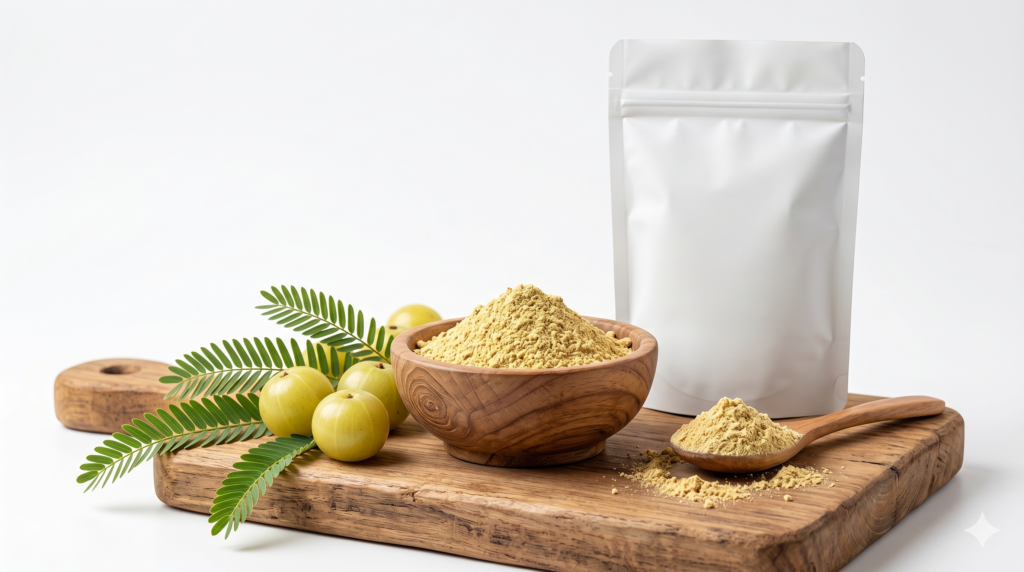
If you have ever wandered through a bustling Indian market or glimpsed the bright, translucent green orbs dangling from a tree in a homestead garden, you’ve likely encountered the Aavla—known more widely as Amla or the Indian Gooseberry (Phyllanthus emblica). This small, unassuming fruit, often described as sour, bitter, and astringent in a single bite, is arguably one of the most potent superfoods nature has ever crafted.
For over three millennia, Aavla has held a sacred place not just in Indian kitchens but in Ayurvedic medicine, where it is revered as a premier “Rasayana” or rejuvenating tonic. But in today’s world of modern wellness, what makes this fruit a true agricultural and nutritional marvel? In this detailed guide, we will explore Aavla from the soil of the Western Ghats to your morning smoothie glass, uncovering its organic farming secrets, robust nutritional profile, and versatile applications for every generation.
1. Cultivation in the Western Ghats: A Symphony of Organic Precision
The unique topography of the Western Ghats, with its tropical to subtropical climate and rich lateritic soils, provides an idyllic sanctuary for Aavla cultivation. Growing Aavla organically here isn’t just about avoiding chemicals; it’s about fostering a thriving ecosystem in harmony with the ancient forest.
The Non-GMO, Organic Journey from Seed to Tree
Organic Aavla farming begins with high-quality seeds or, more commonly for commercial reliability, non-GMO budded clones of elite varieties like Banarasi, Krishna, or Chakradhar. The journey starts in pre-monsoon showers (July–September) to leverage natural moisture for superior root establishment. Farmers dig large pits, traditionally 18 inches in all dimensions, and allow them to weather for two months before planting.
At the time of transplanting, the pits are filled with a potent organic mixture. Instead of synthetic urea or phosphates, farmers utilize:
- Vermicompost and Farmyard Manure (FYM): Boosts soil structure and microbial diversity.
- Mulching: A critical practice in the Ghats to conserve soil moisture and suppress weeds without herbicides.
- Natural Pest Repellents: Farmers often intercrop Aavla with marigold or use neem-based solutions to ward off pests, maintaining a strict no-chemical input regimen.
Timeline and Harvesting
Aavla is an investment in patience. Seedling trees generally begin fruiting after 5 to 7 years, while vegetatively propagated grafts can yield a commercial harvest as early as the 5th year. Once mature, a well-managed Aavla tree remains productive for an astonishing 50 to 60 years.
The non-GMO fruits mature from a deep green to a pale, translucent greenish-yellow. Harvest typically falls between November and February, when the vitamin C content is at its seasonal peak. To protect the delicate skin and branches, the fruits are handpicked with careful ladder harvesting or collected by vigorously shaking the branches and catching the hard berries on soft cloths below.
2. Ayurvedic Benefits: The Balancing Act of Rasa and Virya
In the ancient science of Ayurveda, health is a delicate balance of three Doshas: Vata (air/space), Pitta (fire/water), and Kapha (earth/water). Aavla is considered a “Tridoshic” fruit, meaning it has the rare and extraordinary ability to balance all three bodily humors.
Raw vs. Processed: Maximizing Medicinal Potency
Ayurveda recognizes Aavla’s energetic paradox. Its sour (Amla) taste balances Vata, its sweet (Madhura) post-digestive effect and cold potency (Sita Virya) balance Pitta, and its dry, astringent (Kashaya) properties contain Kapha.
- Fresh Fruit (Raw Therapy): The ideal way to consume Aavla for cleansing. Eating raw Aavla in the morning acts as a superior purgative, gently flushing toxins and supporting liver function.
- Processed (Chyawanprash/Powder): For deep rejuvenation, Ayurveda often cooks Aavla into a herbal jam (Chyawanprash) or dries it into powder. The mild heating process enhances its “Rasayana” properties, making its massive antioxidant payload more bioavailable for long-term strength and vitality.
Food Combinations: The Art of Yoga (Combination) and Virudh (Opposition)
In Ayurveda, how you eat Aavla determines whether you receive its medicine or create a metabolic burden.
- Eat It With: Honey (for its scraping action on Kapha and fat),
- Ghee/Clarified Butter (to balance extreme Pitta conditions like hyperacidity or acne),
- Sesame Oil (to combat Vata-related joint stiffness).
- Avoid: Never mix Aavla with salt. Ayurveda warns that salt increases Pitta while Aavla decreases it—eating them together (such as in salty pickles or spiced chutneys) negates the fruit’s therapeutic effects.
- Avoid: combining raw Aavla with milk or yogurt, as the sour fruit can curdle the dairy, leading to stomach congestion.
3. Nutritional Profile: The Alchemy of the Berry
Aavla’s nutritional resume is staggering. While it appears modest in calories, its micronutrient density is almost unmatched in the fruit kingdom.
Per 100 Grams of Fresh Aavla:
- Energy: 44 kcal
- Protein: 0.9 g (supports tissue repair)
- Carbohydrates: 10.2 g (slow-release energy)
- Dietary Fiber: 4.3 g (excellent for glycemic control)
- Fat: 0.6 g
- Vitamin C: A colossal 600 mg – roughly 10–20 times that of an orange, making it the richest natural source in the world.
A Spectrum of Bioactive Compounds:
Beyond the basics, Aavla boasts an exhaustive list of phytonutrients. It contains Polyphenols (Gallic Acid, Ellagic Acid) , Tannins, Flavonoids, and key minerals including Calcium (25 mg), Iron (0.3 mg), Potassium (198 mg), and Magnesium (10 mg). Its ORAC (Oxygen Radical Absorbance Capacity) value, a measure of antioxidant power, is recorded at a staggering 261,500 μmol TE/100g, placing it among the highest antioxidant foods known to science.
4. Disease Prevention: Mapping Nutrient to Benefit
This nutritional complexity translates directly into targeted disease prevention. Here is how Aavla’s components orchestrate whole-body health:
5. Processed Products & Dehydration: Why Powder Trumps Raw Astringency
If you have ever bitten into raw Aavla, you know it presents a challenge: an immediate, mouth-puckering sourness and post-swallow astringency that can be too intense for regular, raw consumption. This is where dehydration and processing technology become crucial.
The Science of Dehydration:
Fresh Aavla is highly acidic and seasonally perishable. Converting it into powder via low-temperature tray drying or freeze-drying solves multiple problems:
- Preservation of Ascorbic Acid: Controlled low-heat dehydration stabilizes the water-soluble Vitamin C, which would otherwise oxidize and degrade rapidly in fresh juice.
- Concentration of Actives: Removing water concentrates the polyphenols and gallic acid, effectively making a spoonful of powder a therapeutic dose rather than just a culinary treat.
- Taste Management: Dehydrated powder subtly mutes the “raw edge” of the fresh fruit while retaining the sour backbone, allowing it to be blended seamlessly with other foods without overwhelming the palate.
6. Usage of Aavla Powder: Your Daily Dose of Rejuvenation
Harnessing the benefits of Aavla powder is about consistency and finding what fits your lifestyle. The recommended daily dosage for general wellness is ¼ to ½ teaspoon, taken once or twice a day (roughly 1-3 grams).
A Note on Precautions
While Aavla is generally safe, those with active bleeding disorders or significantly low blood sugar should consult a healthcare provider, as Aavla can potentiate hypoglycemic and anticoagulant effects.